View product
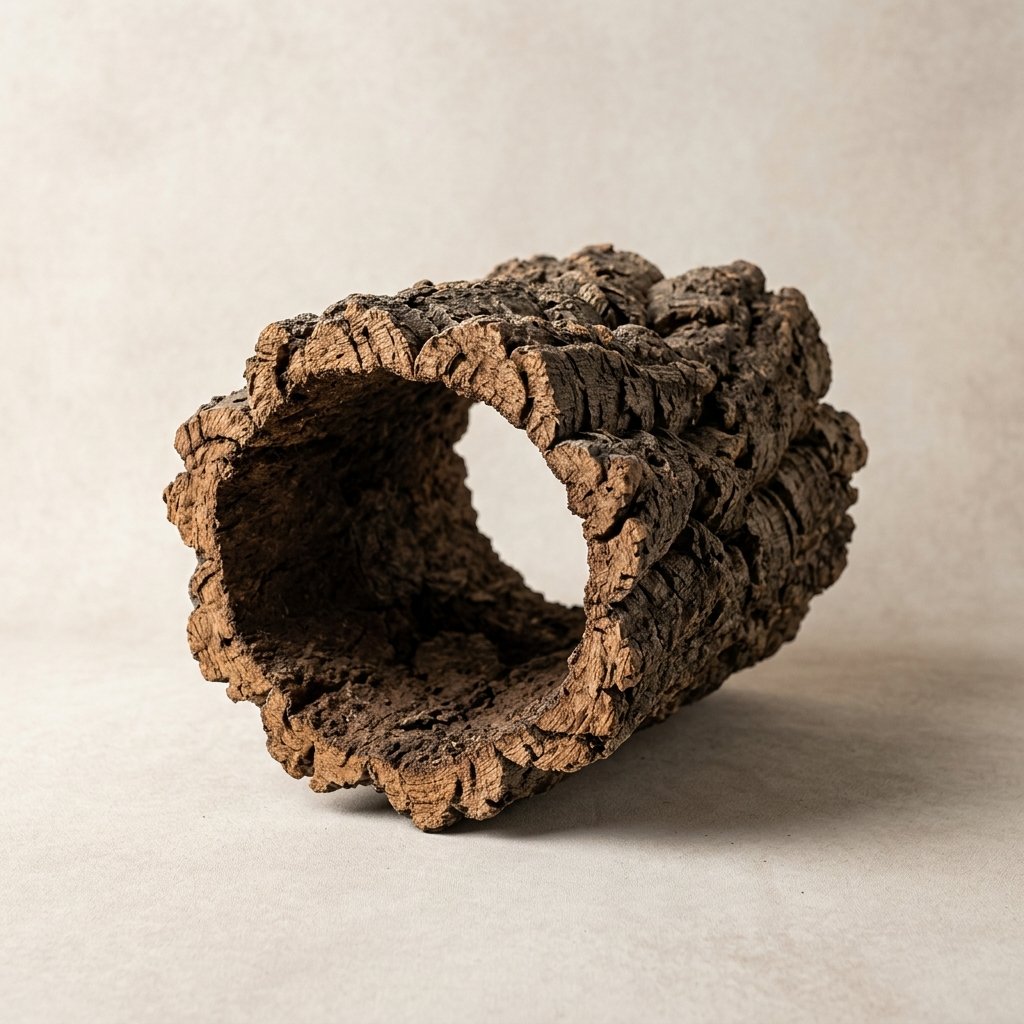
Cork Bark Tube – Large
Natural cork bark tube providing a hide, climbing surface, and planting anchor in one piece. A vivarium-building essential.
View productBuild Better Vivariums
A well-scaped vivarium is more than decoration — it provides enrichment, hides, climbing opportunities, and a sense of security for the animals that live in it. This guide covers the principles and practical steps behind a great scape.
View product
Natural cork bark tube providing a hide, climbing surface, and planting anchor in one piece. A vivarium-building essential.
View product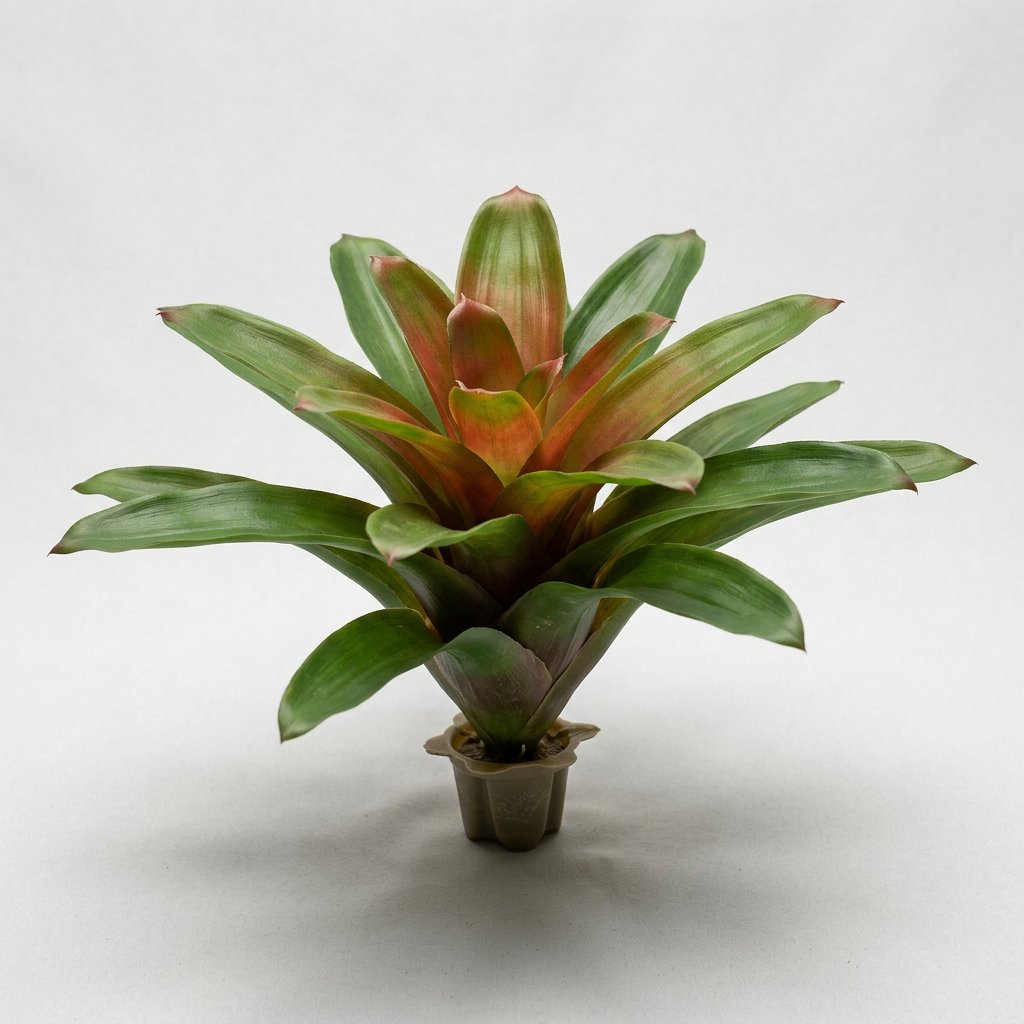
View product
Vivid artificial bromeliad cluster with layered rosette leaves and a central cup detail. Ideal for tropical and rainforest vivarium builds.
View productA bare vivarium with a heat lamp and a water bowl keeps an animal alive. A well-scaped vivarium — with layered height, varied textures, natural hides, and convincing foliage — gives it a reason to explore, a sense of territory, and the behavioural opportunities it would have in the wild. Research consistently shows that environmental enrichment reduces stress in captive reptiles and amphibians.
The materials you choose matter too. Artificial plants that look convincing under vivarium lighting, driftwood with the right branching structure for your species, and cork bark that provides genuine thermal insulation around a hide — these are functional choices as much as aesthetic ones.
This guide is designed to help you think through your scape before you order, so you get the right pieces for your enclosure, your species, and the look you're after.
A good scape starts with a plan. Work through these steps before you add anything to your basket.
Arboreal species need height and branching structure. Ground-dwellers need hides and substrate depth. Arid species need open basking areas and minimal moisture-retaining materials. Your species' natural habitat should drive every material choice.
Every great scape has a focal point — usually a large piece of driftwood, a cork tube, or a rock formation. Choose this first and build around it. A twisted manzanita branch or a spider wood cluster works well as a centrepiece in most tropical builds.
Use hardscape to create three distinct height zones: ground level (substrate, ground mats, rock bases), mid level (cork panels, smaller branches, ground plants), and upper level (tall branches, trailing vines, canopy foliage). Layering creates depth and gives animals more usable space.
Place your hardscape first and let it settle before adding artificial plants. Foliage should fill gaps, soften hard edges, and add colour — not compete with the structural pieces. Trailing vines work well draped over branches; rosette plants anchor well at the base of rock formations.
Resist the urge to fill every corner. Open floor space, clear basking spots, and unobstructed sight lines are important for animal welfare and make the scape look more natural. Less is often more.
Different vivarium styles call for different hardscape combinations. Here are our recommendations by build type.
Spider wood or manzanita as the centrepiece, cork bark tubes for hides, cork flat panels for the back wall, trailing pothos vines and philodendron stems for foliage, and a moss and fern ground mat to cover the substrate.
Resin rock formations for structure and basking, manzanita branches for climbing, desert agave rosettes for botanical interest, and a sandy substrate left largely open. Avoid moisture-retaining materials like moss mats.
Cork flat panels for the back wall, spider wood or manzanita for branching structure, moss and fern ground mats, and bromeliad clusters or philodendron stems for mid-level foliage. Cork bark tubes provide excellent hides.
A good rule of thumb is one large focal piece (branch or rock formation), one or two mid-size pieces (cork tube, smaller branch), and three to five artificial plants for a standard 60 × 45 × 60 cm enclosure. Scale up proportionally for larger builds. If you're unsure, contact us with your enclosure dimensions and species and we'll suggest a starting list.
Yes — many keepers do. Artificial plants work well as structural foliage in areas where live plants struggle (near heat sources, in low-light corners, or in arid builds), while live plants can be used where conditions suit them. The key is choosing artificial plants that are realistic enough to complement live foliage convincingly.
Artificial plants can be rinsed under warm water and gently wiped with a damp cloth. Avoid harsh chemical cleaners. Driftwood and cork bark can be wiped down or rinsed — avoid soaking natural pieces for extended periods as this can affect their structure over time.
Most reptiles and amphibians show little interest in artificial plants once they have established their territory. Some herbivorous species may occasionally investigate foliage — our plants use non-toxic materials, so incidental contact is not a concern. If you keep a species known to be destructive with décor, contact us and we can recommend the most robust options.
Browse our full range of artificial plants and decorative hardscape, or get in touch with our Norwich team for personalised scaping advice.
Related products
A few catalogue examples that connect the guidance, process, or service topic to the actual storefront.
Natural cork bark tube providing a hide, climbing surface, and planting anchor in one piece. A vivarium-building essential.
£34.00
View product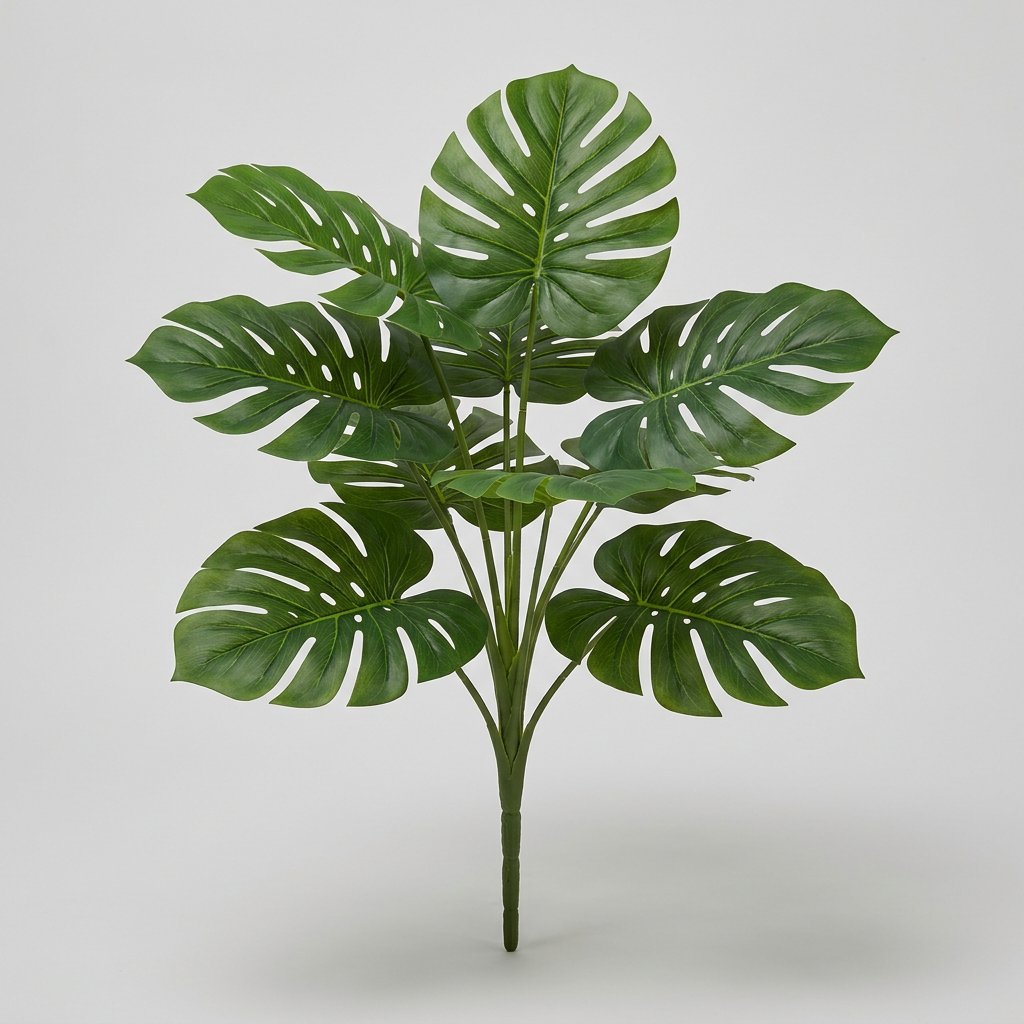
Bold artificial philodendron stem with large split leaves. Adds dramatic tropical foliage to mid and upper vivarium zones.
£22.00
View product
Vivid artificial bromeliad cluster with layered rosette leaves and a central cup detail. Ideal for tropical and rainforest vivarium builds.
From £18.00
View productBasket
0 items in cart
Your cart is saved in this browser until you clear it. Need help now? Contact us on +441603761900.