View product
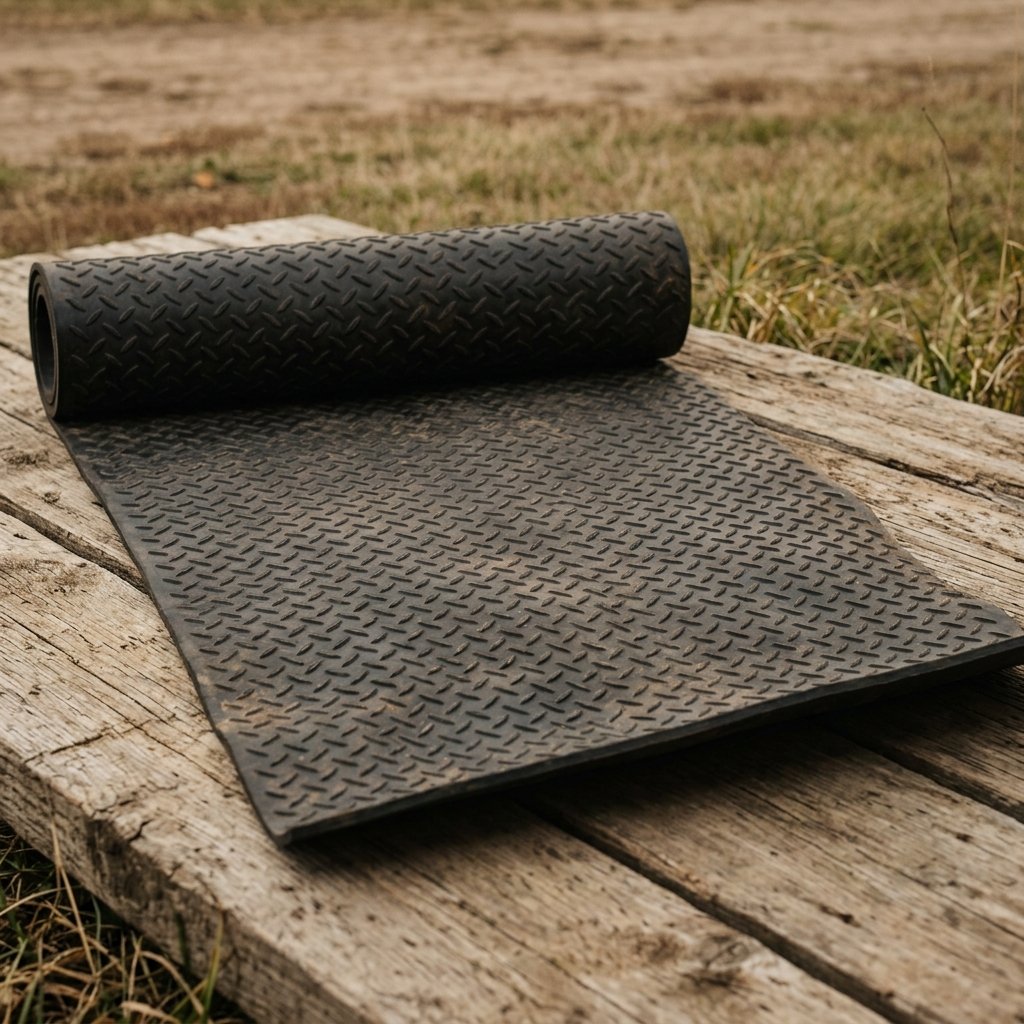
Full-Size Truck Bed Mat – 8 ft
Heavy rubber diamond-tread mat for 8-foot truck beds. Protects liner, grips cargo, absorbs vibration.
View productMaintain Your Gear. Protect Your Load.
Tie-down straps and rubber mats last significantly longer with basic care and regular inspection. This guide covers what to check, how to clean, and when to retire a strap from service.
View product
Heavy rubber diamond-tread mat for 8-foot truck beds. Protects liner, grips cargo, absorbs vibration.
View product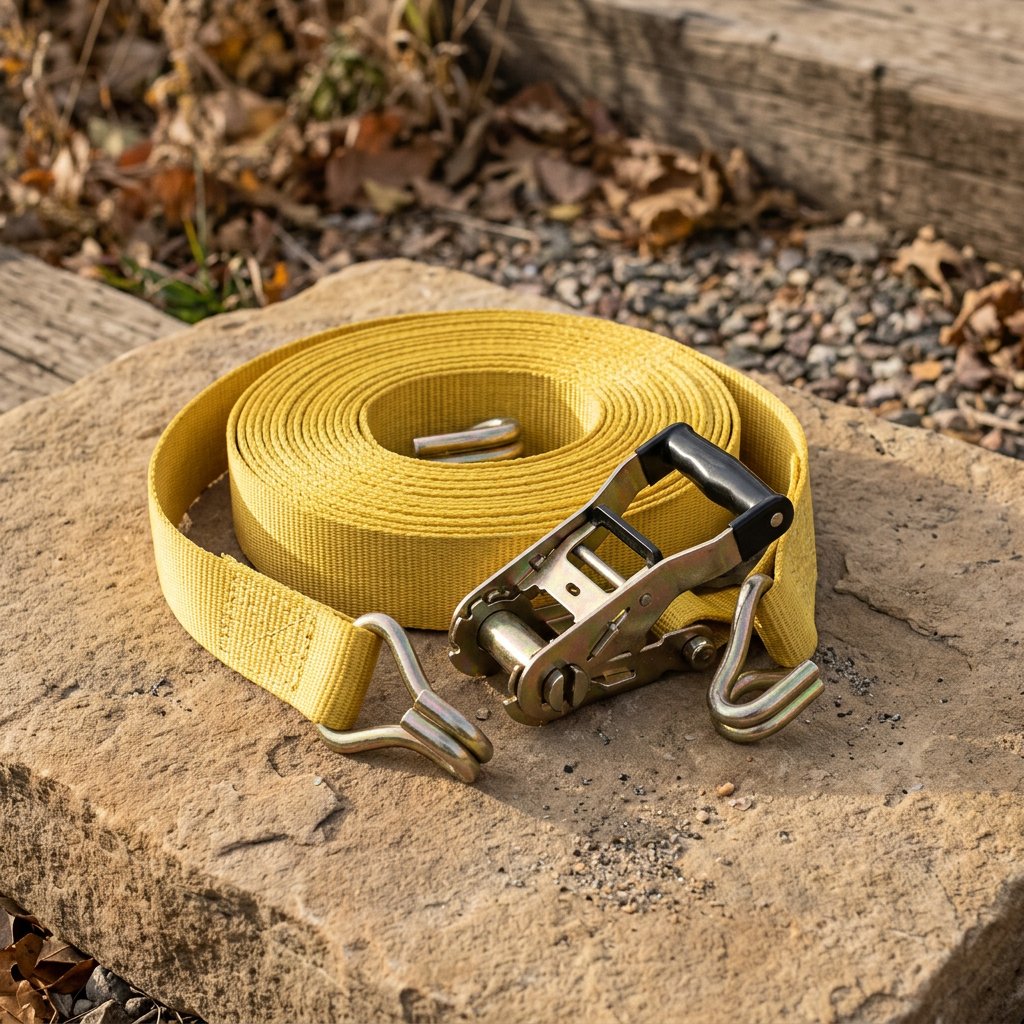
View product
3,333 lb WLL ratchet strap with J-hooks. DOT-compliant, abrasion-resistant webbing.
View productA strap that looks fine on the outside can have internal webbing damage from UV exposure, chemical contact, or overloading. Regular inspection before each use is the single most important habit for load safety. A damaged strap should be removed from service immediately — the cost of a new strap is always less than the cost of a dropped load.
Rubber mats degrade more slowly but should also be checked periodically for tears, hardening, or loss of surface texture that reduces grip. A mat that no longer grips cargo is no longer doing its job. The guidance below applies to all straps and mats in the CF3 Clothing range and takes only a few minutes per piece of equipment.
If you are ever unsure whether a strap or mat is still serviceable, contact us at info@cf3-clothing.com or call +1 970 404 1592. We would rather help you identify a replacement before a load fails than deal with the aftermath of a strap that should have been retired.
Run through these checks before every use. The whole process takes under two minutes per strap.
Look for cuts, fraying, abrasion wear, discolouration from chemical exposure, and any area where the weave appears distorted or crushed. Any visible damage is grounds for retirement.
Examine all sewn sections — particularly at the hook ends and any soft loops. Broken or pulled stitches reduce the strap's rated strength and the strap should not be used.
Operate the ratchet or cam buckle through its full range of motion. It should engage and release cleanly without sticking, slipping, or grinding. A mechanism that does not lock positively must be replaced.
Inspect hooks for cracks, bends, or deformation. Safety latches should spring back fully and hold closed under light pressure. A bent or cracked hook is a retirement trigger.
Fuel, battery acid, and solvents degrade polyester webbing rapidly. If a strap has been soaked in any chemical, retire it regardless of visible condition — internal fibre damage may not be visible.
Rinse straps with clean water after exposure to road salt, mud, or chemicals. For heavier soiling, use mild soap and a soft brush on the webbing. Rinse thoroughly and allow to air dry completely before storing — never store damp webbing.
Hose down mats with water and scrub with a stiff brush to clear debris from the tread pattern. For oil or fuel spills, use a degreaser safe for rubber. Rinse and allow to dry before refitting.
Store straps loosely coiled or folded in a cool, dry location away from direct sunlight and UV exposure. Avoid storing near batteries, fuel, or solvents. Our carry bags are designed for this purpose.
Roll mats for storage rather than folding to avoid crease lines that can reduce flat contact with the bed surface. Store in a dry location away from prolonged direct sunlight to prevent rubber hardening.
Retire any strap immediately if you observe: cuts or tears in the webbing, broken or pulled stitching, a ratchet or buckle that does not lock positively, hooks that are bent, cracked, or have a non-functioning safety latch, or any evidence of chemical contamination. Do not attempt to repair a damaged strap — replacement is the only safe option.
Even straps with no visible damage should be considered for retirement after several years of regular heavy use, as UV and mechanical fatigue accumulate over time. When in doubt, replace it. Contact us at info@cf3-clothing.com if you need help identifying a replacement strap from our range.
Browse our full strap and mat range. If you are not sure which replacement matches your current gear, call us at +1 970 404 1592 — we will help you find the right spec.
Related products
A few catalogue examples that connect the guidance, process, or service topic to the actual storefront.
Heavy rubber diamond-tread mat for 8-foot truck beds. Protects liner, grips cargo, absorbs vibration.
$79.00
View product
3,333 lb WLL ratchet strap with J-hooks. DOT-compliant, abrasion-resistant webbing.
$18.00
View product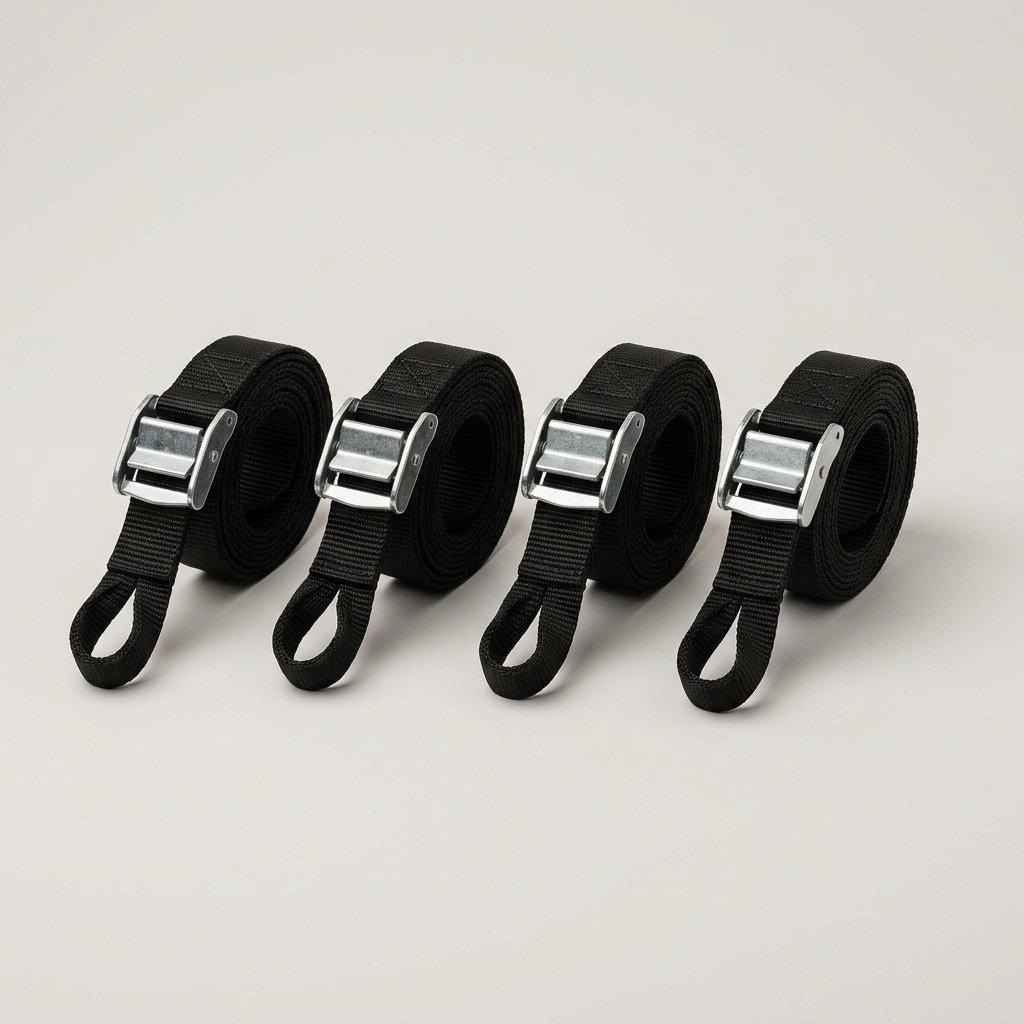
Soft-loop cam buckle straps for motorcycles, ATVs, and light cargo. 833 lb WLL per strap.
$34.00
View productBasket
0 items in cart
Your cart is saved in this browser until you clear it. Need help now? Contact us on +19704041592.