View product
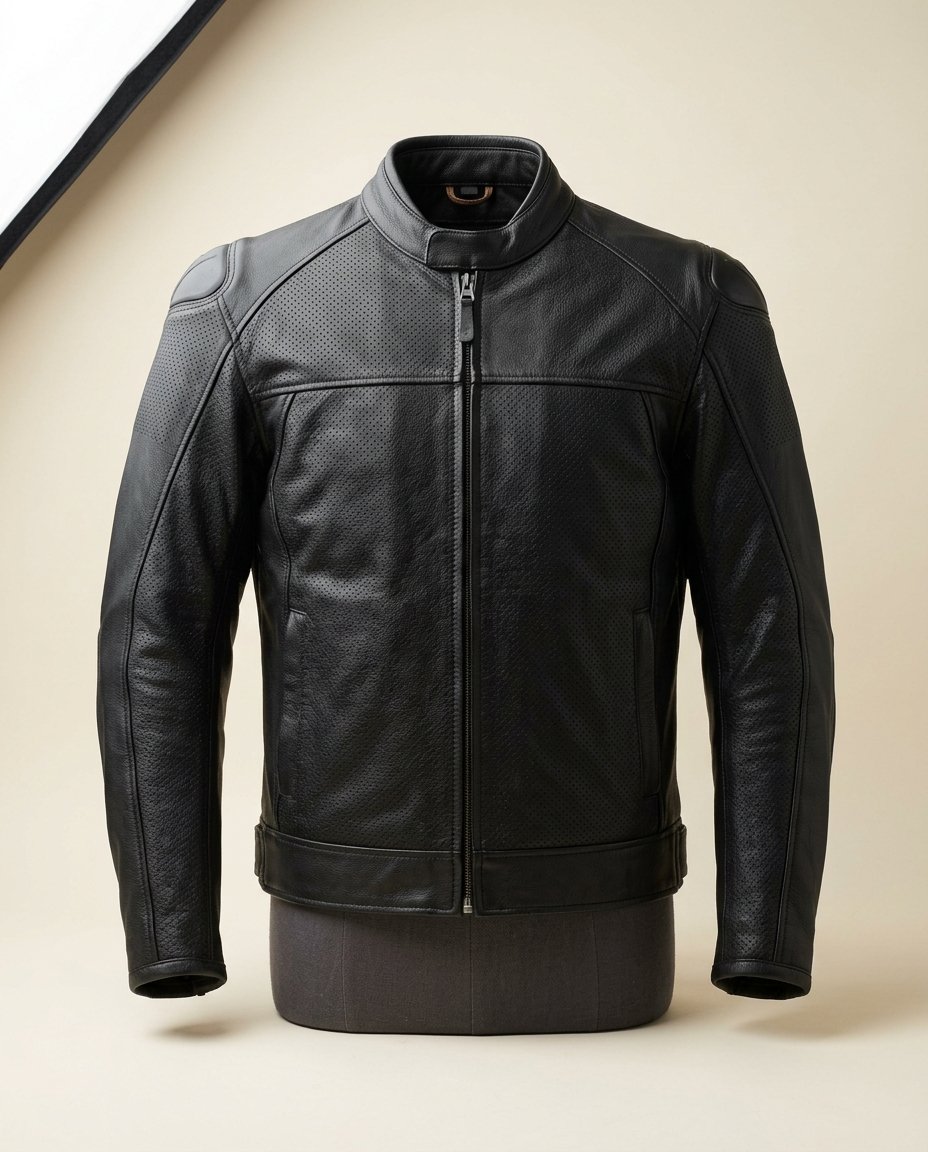
Perforated Summer Riding Jacket
Heavily perforated cowhide jacket designed for maximum airflow on warm-weather rides, with CE Level 1 armour throughout.
View productMake It Last
A quality leather jacket or pair of gloves is an investment. Looked after properly, leather riding gear improves with age — developing a rich patina while maintaining its protective properties. Here is how to care for yours.
Bikers Paradise
Practical guidance connected directly to the live catalogue and support flow.
View product
Heavily perforated cowhide jacket designed for maximum airflow on warm-weather rides, with CE Level 1 armour throughout.
View product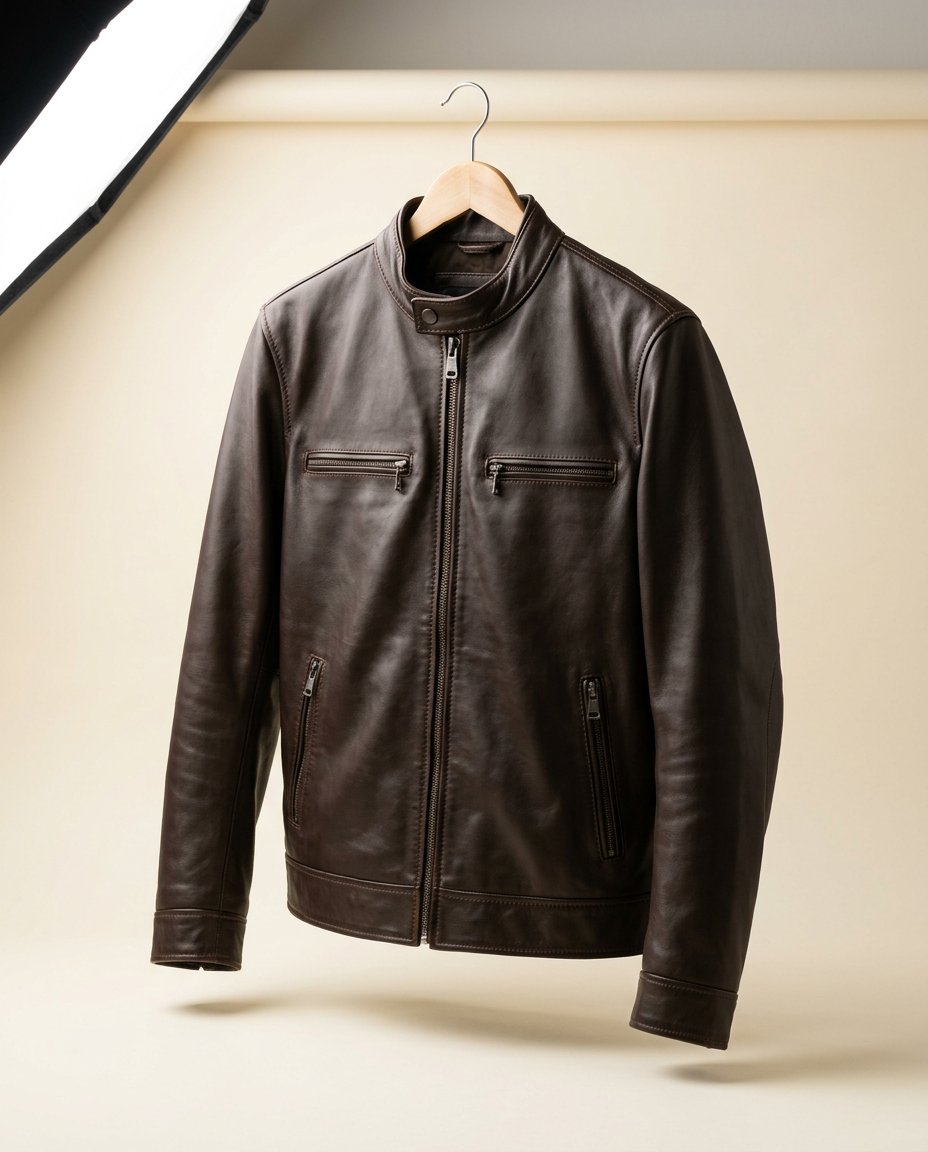
View product
Slim-fit cafe racer jacket in smooth cowhide with a band collar, CE elbow armour, and a clean uncluttered silhouette.
View productLeather motorcycle gear is not just clothing — it is a protective system. The abrasion resistance that makes cowhide and goatskin effective in a slide depends on the leather remaining supple, dense, and free from cracks or dry patches. Neglected leather becomes brittle over time, and brittle leather tears rather than slides in an impact. Regular cleaning and conditioning is not cosmetic maintenance; it is part of keeping your gear performing as it should.
The UK riding environment is particularly demanding on leather. Road salt used in winter accelerates drying and cracking if left on the surface. Frequent rain cycles — wet then dry, wet then dry — stress the leather fibres and degrade the natural oils that give leather its strength and flexibility. A consistent care routine, applied every four to six weeks during the riding season and before any extended storage, will extend the life of your gear significantly and keep it looking its best.
The good news is that leather care is straightforward once you have the right products and a simple routine. You do not need specialist equipment or professional help for routine maintenance. A quality leather cleaner, a good conditioner, and a waterproofing spray are the three products every leather rider should keep in their kit.
Regular cleaning prevents dirt and salt from degrading the leather fibres over time.
After each ride, wipe down the jacket with a soft dry cloth to remove dust and loose dirt. Pay attention to the collar, cuffs, and any areas that contact the bike.
For road grime, insect residue, or marks, apply a small amount of dedicated leather cleaner to a soft cloth and work it gently into the affected area. Never use household detergents — they strip the natural oils from the leather.
Remove any cleaner residue with a clean damp cloth, then allow the jacket to dry naturally at room temperature. Never use a hairdryer, radiator, or direct sunlight to speed up drying — heat causes leather to crack and stiffen.
Once dry, apply a quality leather conditioner using a soft cloth in circular motions. This restores the oils removed during cleaning and keeps the leather supple. Allow the conditioner to absorb for at least an hour before wearing.
Leather is naturally water-resistant, but regular conditioning and periodic waterproofing treatment significantly improve its performance in wet conditions. Apply a leather waterproofing spray or wax to a clean, dry jacket at the start of each riding season and again mid-season if you ride regularly in rain. Pay particular attention to seams, which are the first point of water ingress.
After riding in heavy rain, allow the jacket to dry completely before applying any treatment. Wet leather should never be conditioned or waterproofed — the treatment will not penetrate properly and can leave a sticky residue. Hang the jacket on a wide, padded hanger to maintain its shape as it dries.
For jackets with a removable waterproof liner, check the liner's condition annually. The liner can be removed and hand-washed in cool water if it becomes soiled, but allow it to dry fully before refitting.
Gloves take more punishment than jackets — they are in constant contact with the bars, exposed to rain, and often soaked in sweat on warm days. After wet rides, stuff the gloves loosely with newspaper or a dry cloth to help them hold their shape as they dry. Never wring or twist wet leather gloves.
Condition gloves every four to six weeks during the riding season, or more frequently if you ride in wet conditions regularly. A small amount of conditioner worked into the palm and finger areas keeps the leather from stiffening and cracking. For gauntlet gloves, pay attention to the cuff area where the leather flexes most.
Avoid machine washing leather gloves under any circumstances. The combination of water, heat, and mechanical agitation strips the natural oils from the leather and causes irreversible shrinkage and cracking. For heavily soiled gloves, a damp cloth with a small amount of dedicated leather cleaner is the safest approach. Allow to dry naturally before conditioning.
If you are storing your gear over winter or for an extended period, a little preparation goes a long way.
Any dirt, salt, or moisture left on the leather during storage will continue to degrade it. Clean and condition the jacket and gloves fully before putting them away.
Avoid damp garages, lofts with temperature extremes, or anywhere with direct sunlight. A breathable garment bag in a wardrobe is ideal. Never store leather in a sealed plastic bag — it needs to breathe.
A padded or wide-shoulder hanger maintains the jacket's shape during storage. Avoid wire hangers, which can distort the shoulders over time.
Before your first ride of the season, inspect the jacket and gloves for any signs of mould, cracking, or stiffness. A fresh application of conditioner and waterproofing spray will have your gear ready for the road.
If you are unsure about a product, a care method, or need advice on a specific issue with your jacket or gloves, get in touch. We are happy to help.
Related products
A few catalogue examples that connect the guidance, process, or service topic to the actual storefront.
Heavily perforated cowhide jacket designed for maximum airflow on warm-weather rides, with CE Level 1 armour throughout.
£175.00
View product
Slim-fit cafe racer jacket in smooth cowhide with a band collar, CE elbow armour, and a clean uncluttered silhouette.
£159.00
View product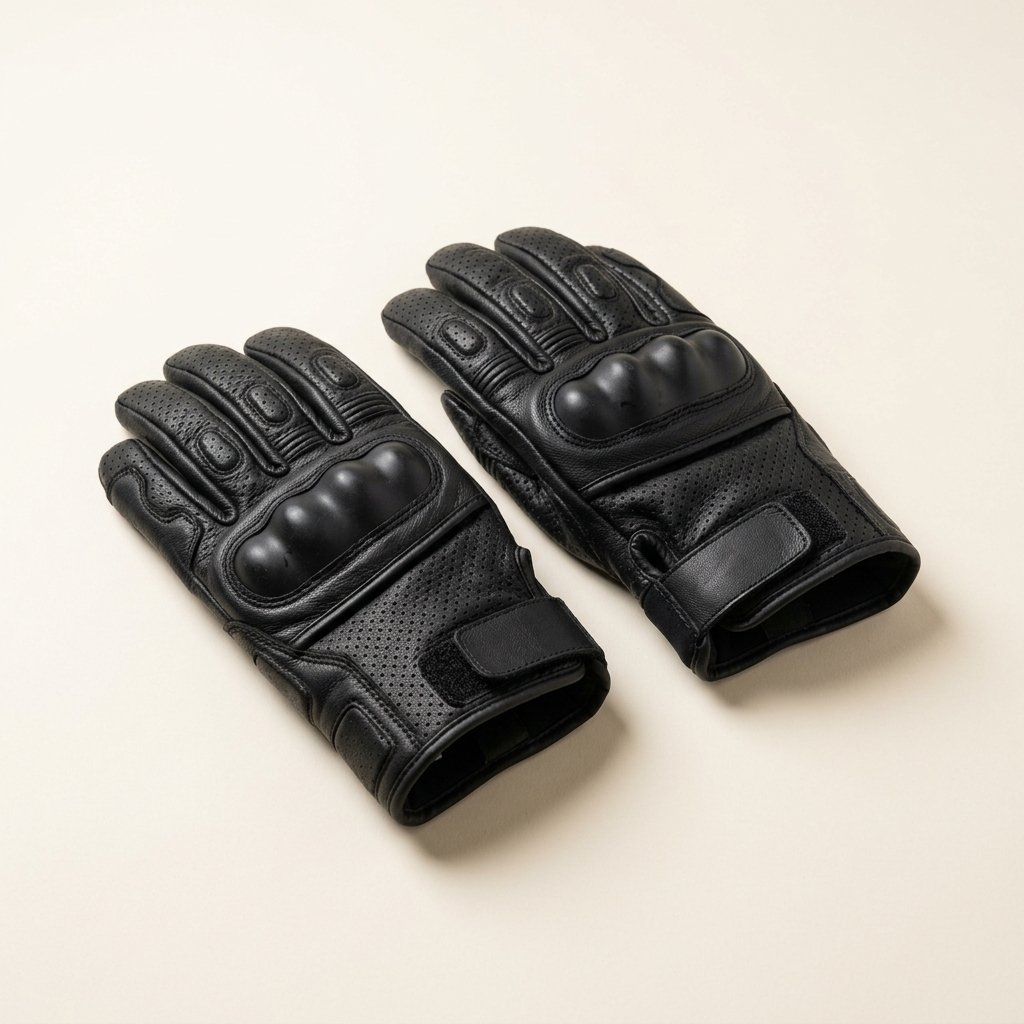
Lightweight perforated leather gloves for warm-weather riding, with knuckle protection and a secure velcro wrist closure.
£39.00
View productBasket
0 items in cart
Your cart is saved in this browser until you clear it. Need help now? Contact us on +447424825157.