View product
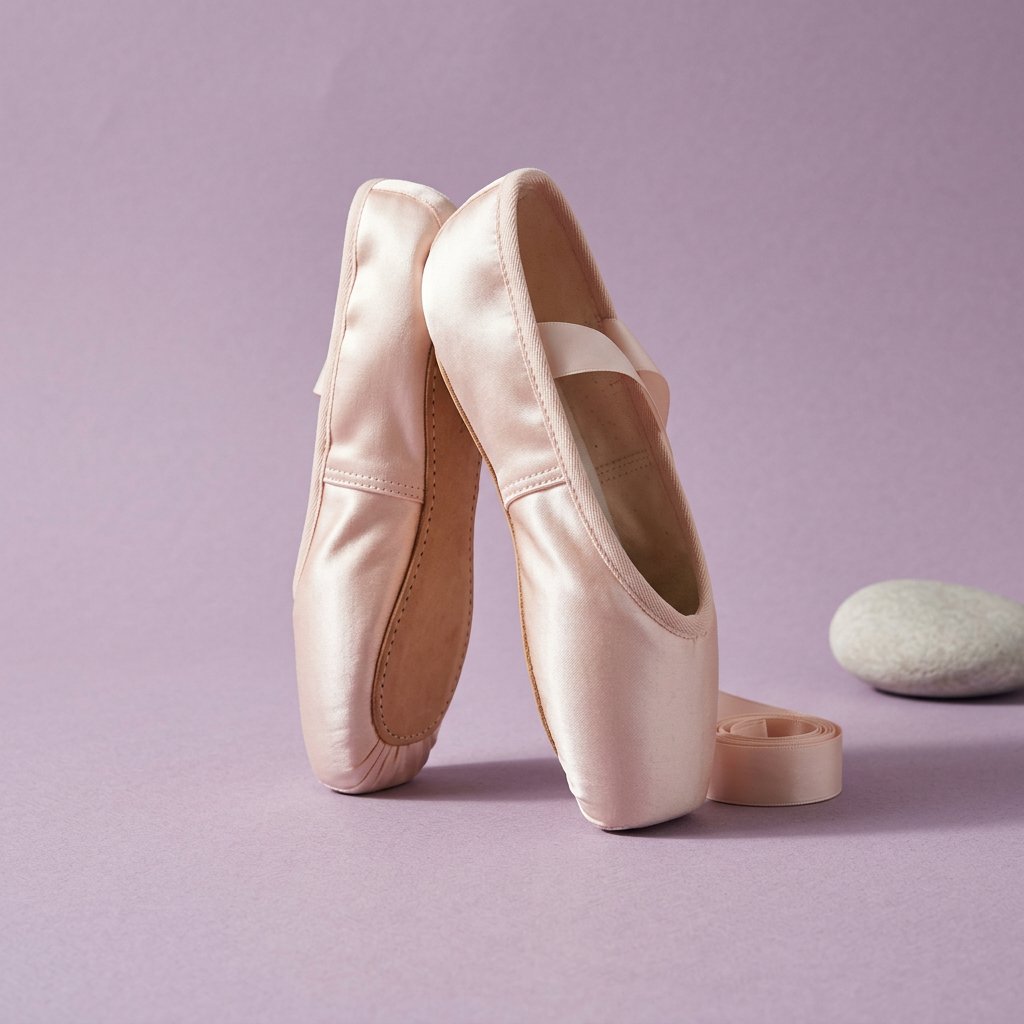
Narrow-Fit Pointe Shoe
A slender, close-fitting pointe shoe for narrow feet and tapered Greek or Peasant toe profiles.
View productExpert Advice
Fitting dance shoes correctly is one of the most important things you can do for your training. This guide covers everything you need to know — from measuring your foot at home to understanding shank strengths and box shapes.
View product
A slender, close-fitting pointe shoe for narrow feet and tapered Greek or Peasant toe profiles.
View product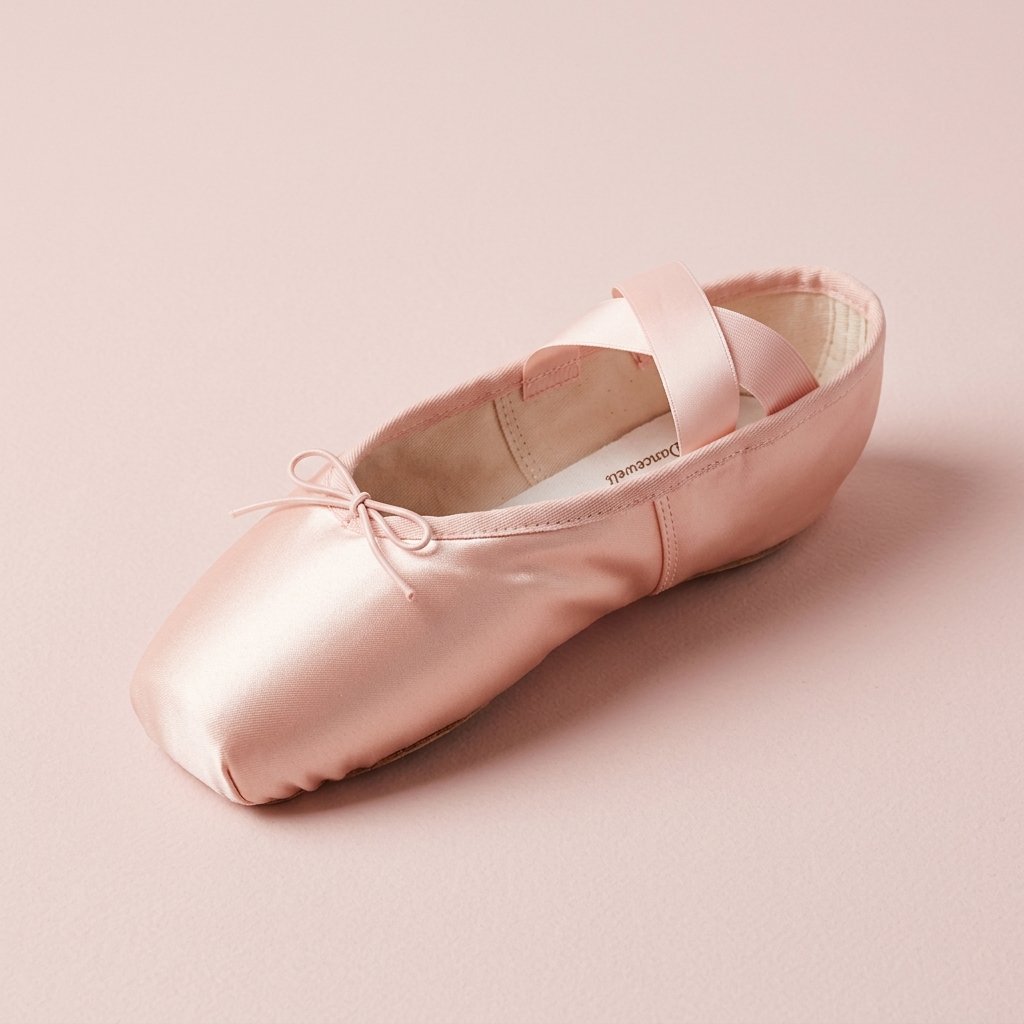
View product
A versatile standard-shank pointe shoe suited to a wide range of foot types — the ideal first pointe shoe for most students.
View productIn everyday footwear, we are used to thinking in terms of shoe size. In ballet, size is only the starting point. The width of your foot, the length of your toes relative to each other, the depth of your arch, and the strength of your foot all influence which shoe will work best for you. A shoe that is the right length but the wrong width will cause blistering, instability, and — in the case of pointe shoes — potential injury.
This is why we always encourage dancers to read this guide carefully before ordering, and to contact us if they have any doubts. A five-minute conversation can save a great deal of frustration. Our team has fitted hundreds of dancers across all levels, and we are genuinely happy to talk through your measurements before you commit to a purchase.
You will need a ruler or tape measure, a piece of paper, and a pen. Measure both feet — most people have one foot slightly larger than the other — and use the larger measurement.
Stand on a piece of paper with your full weight on the foot. Hold a pen vertically and trace around the entire outline of your foot, keeping the pen as close to the skin as possible.
Measure from the back of the heel to the tip of the longest toe in millimetres. Use this measurement against our size chart to find your starting UK size.
Measure across the widest part of the foot — usually across the ball. Compare this to the length measurement to determine whether you fall into a narrow, standard, or wide fitting.
Look at the shape of your toes. Egyptian profile: the big toe is longest. Greek profile: the second toe is longest. Peasant or square profile: the first three toes are roughly equal in length. This affects which box shape will suit you.
For pointe shoes, shank strength is as important as size. Here is a quick guide to our three options.
The right choice for most dancers beginning pointe work. Provides support while allowing the foot to develop strength gradually. Suitable for students who have recently been cleared for pointe by their teacher.
A step up in support, suited to intermediate dancers with stronger feet or those who find standard shanks compress too quickly. Also a good choice for dancers with a broader foot profile.
For advanced and professional dancers with well-conditioned feet. Offers maximum support and longevity, resisting compression through intensive daily use. Not recommended without teacher guidance.
A correctly fitted pointe shoe should feel snug — not painful, but close. There should be no dead space at the toe, and the heel should not slip. Some initial tightness is normal and will ease slightly as the shoe breaks in. If you feel sharp pain or numbness, the shoe is too small or the wrong width.
We recommend a professional fitting for first-time pointe shoe buyers. If you are an experienced dancer who knows your measurements and preferred style, ordering online is straightforward. If you are unsure, please call or email us before ordering — we are happy to advise.
If your foot measurement shows that your width is proportionally large relative to your length, you likely need a wide fitting. If your foot is slim and your toes are tapered, a narrow fitting may suit you better. Our size chart includes width guidance, and we are always happy to help you interpret your measurements.
Ballet flats are more forgiving than pointe shoes, but fit still matters. A flat that is too long will wrinkle and trip you; one that is too short will cramp the toes. For children, we recommend leaving no more than a thumb's width of growing room.
A full-sole flat has a single piece of leather or suede running the entire length of the shoe. This provides even support and is recommended for beginners and younger students building foot strength. A split-sole flat has two separate pads — one under the ball of the foot and one under the heel — leaving the arch exposed. This allows the foot to articulate more freely and is preferred by intermediate and advanced dancers.
Egyptian toe profiles — where the big toe is longest — generally suit a tapered box. Greek profiles, where the second toe is longest, often work well with a slightly more tapered or standard box. Square or Peasant profiles, where the first three toes are similar in length, usually benefit from a broader, more square box such as our Medium Shank or Wide-Fit styles.
For children's ballet flats, allow no more than a thumb's width of growing room at the toe. Too much space causes the shoe to wrinkle and can trip a young dancer. We recommend checking the fit every few months as children's feet grow quickly.
Our team is happy to talk through your measurements and recommend the right shoe. Call us on +44117 973 0120 or email info@dancewellltd.com — no question is too basic.
Related products
A few catalogue examples that connect the guidance, process, or service topic to the actual storefront.
A slender, close-fitting pointe shoe for narrow feet and tapered Greek or Peasant toe profiles.
£65.00
View product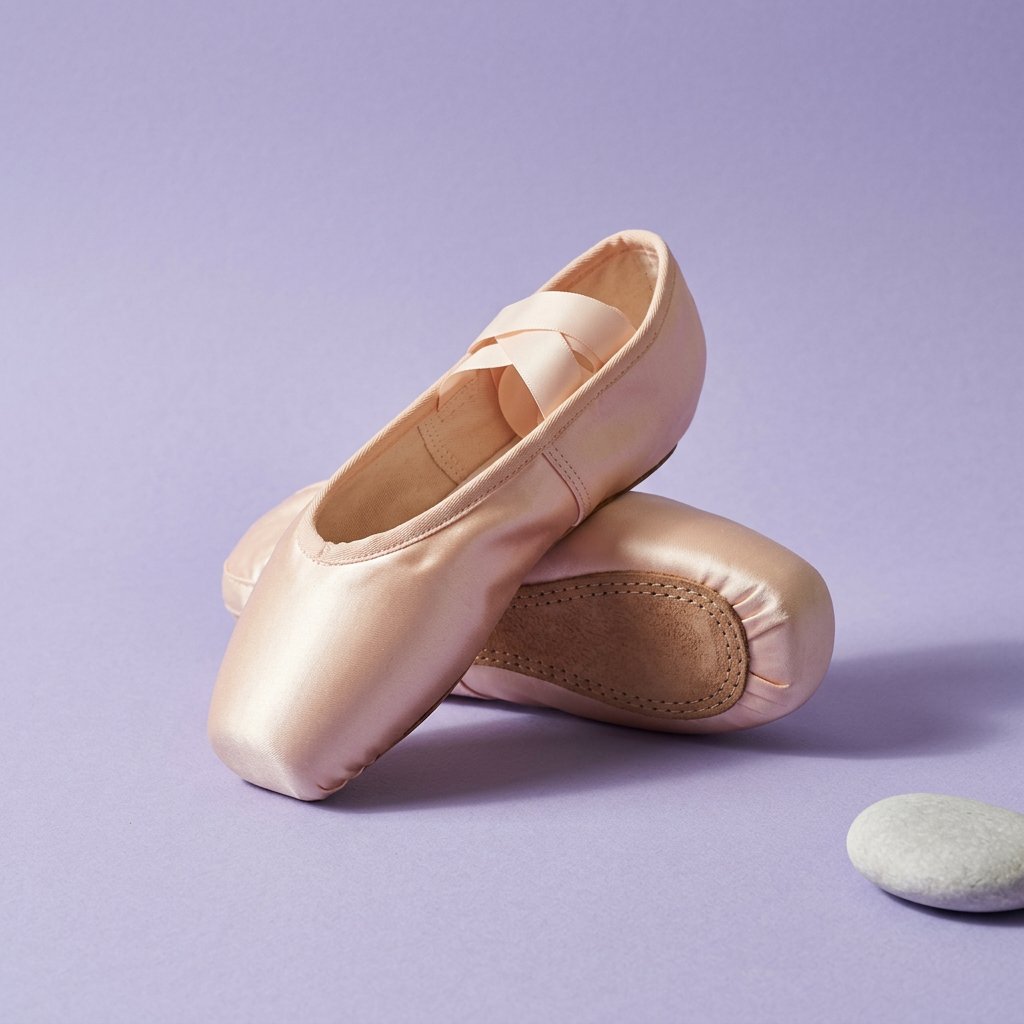
A firm, durable hard shank for advanced and professional dancers with strong feet who need maximum support.
£72.00
View product
A versatile standard-shank pointe shoe suited to a wide range of foot types — the ideal first pointe shoe for most students.
£55.00
View productBasket
0 items in cart
Your cart is saved in this browser until you clear it. Need help now? Contact us on +44117 973 0120.